
How to Build a Website That Ranks and Converts
A website can look impressive and still struggle to attract visitors. On the other hand, a website may receive organic traffic but fail to turn those visitors into leads or customers.
The difference often comes down to how well website design and SEO work together.
A successful website isn’t designed only for search engines or only for visitors. It needs to provide a smooth user experience while making its content, structure, and purpose clear to search engines.
If your goal is to increase organic traffic, you need to think about design, content, technical performance, and conversion from the beginning—not treat SEO as something to add after the website is finished.
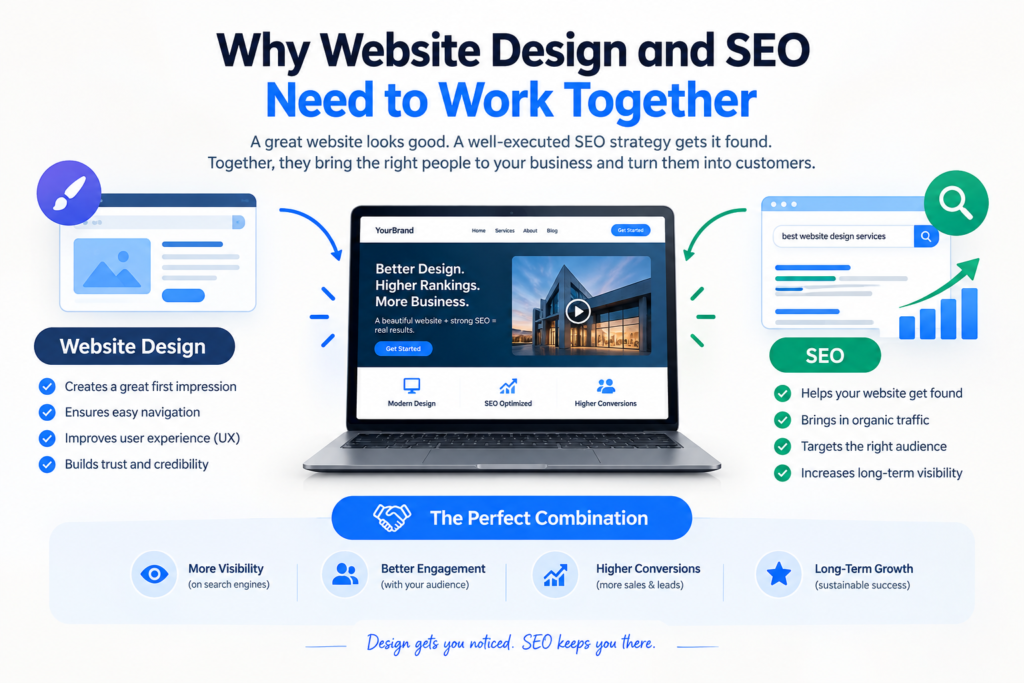
Why Website Design and SEO Need to Work Together
Web design influences how people interact with your website, while search engine optimization helps search engines understand and discover your pages.
These areas are different, but they support the same goal: creating a useful website for your audience.
For example, a website with:
- Clear navigation
- Well-organized content
- Mobile-friendly layouts
- Fast-loading pages
- Descriptive headings
- Strong calls to action
- Useful and relevant content
can create a better experience for both visitors and search engines.
Good design should therefore make SEO easier rather than create obstacles for it.
1. Start With Keyword Research
Before designing important pages, understand what your potential visitors are searching for.
Keyword research helps you identify the words and phrases your audience uses when looking for information, products, or services.
Instead of choosing keywords simply because they have high search volume, consider the searcher’s purpose.
For example, someone searching for “what is SEO” has a different intent from someone searching for “SEO agency for small business.”
Understanding this difference allows you to create pages that match the user’s expectations.
Use your research to plan:
- Page topics
- Headings
- Blog content
- Service pages
- Landing pages
- Supporting content
This creates a stronger foundation for your overall SEO strategy.
2. Create a Clear Website Structure
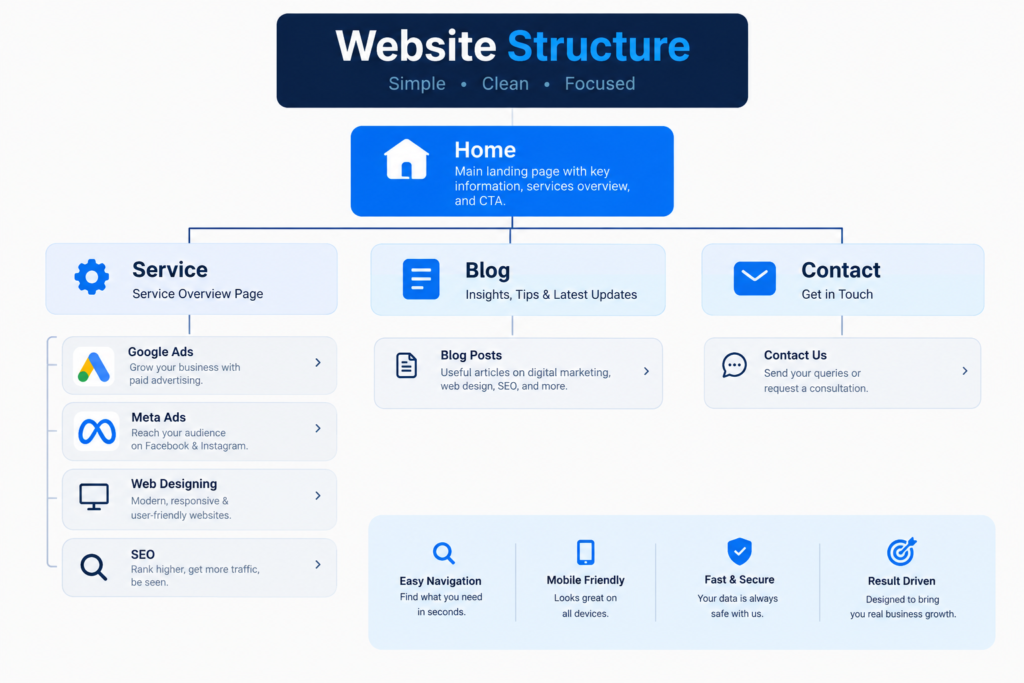
A search-friendly website should also be easy for people to navigate.
Keep important pages logically organized and make sure visitors can move from one section to another without confusion.
For a service-based business, a simple structure might include:
Home → Services → Individual Service → Contact
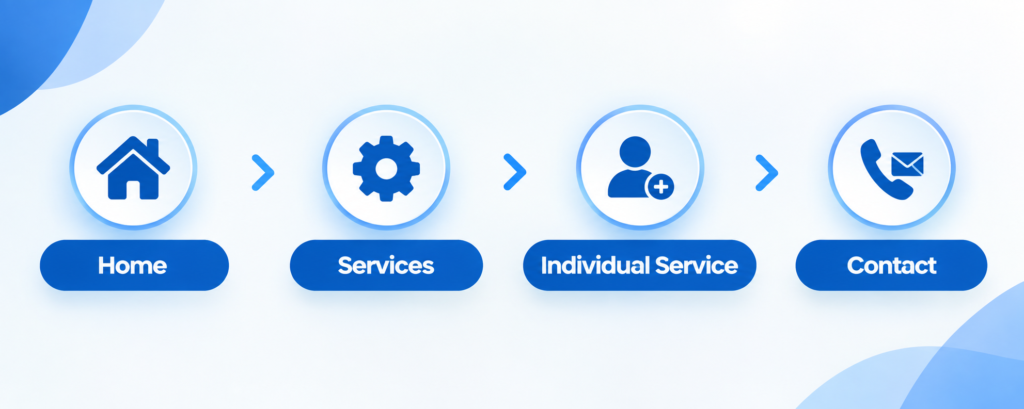
Your URLs, navigation, headings, and internal links should help users understand where they are and where they can go next.
A clear structure also makes it easier to organize related content around specific topics.
3. Design for Mobile Users
People access websites from a wide range of devices, so your website shouldn’t be designed only for desktop screens.
A responsive design should adapt appropriately to smartphones, tablets, and desktop computers

Pay attention to practical details such as:
- Readable text
- Proper spacing
- Easy-to-use menus
- Touch-friendly buttons
- Responsive images
- Forms that work well on smaller screens
A beautiful desktop website isn’t enough if the mobile experience feels difficult or frustrating.
4. Build Strong On-Page SEO
Once the structure is ready, optimize individual pages.
On-page SEO involves improving elements of a webpage so that its topic and value are clear to both users and search engines
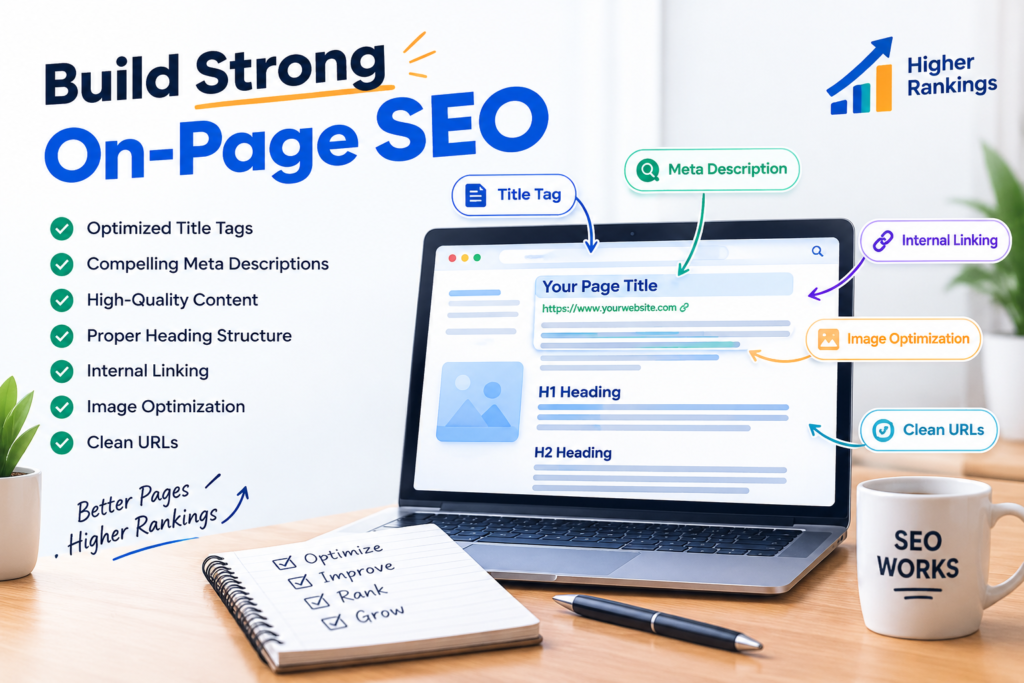
Important areas include:
- Page titles
- Headings
- Relevant keywords
- URLs
- Meta descriptions
- Image alt text where appropriate
- Internal links
- Helpful page content
However, optimization shouldn’t mean repeating the same keyword everywhere.
For example, instead of forcing “website design and SEO” into every paragraph, naturally explain related concepts such as technical SEO, user experience, organic search, keyword research, and conversion optimization.
That creates more useful content without making the page feel repetitive.
5. Don’t Forget Website Performance
Design elements can make a website visually attractive, but excessive animations, large images, unnecessary scripts, and poorly optimized resources can negatively affect the user experience.
When building websites with platforms such as WordPress and Elementor, focus on keeping the design purposeful.
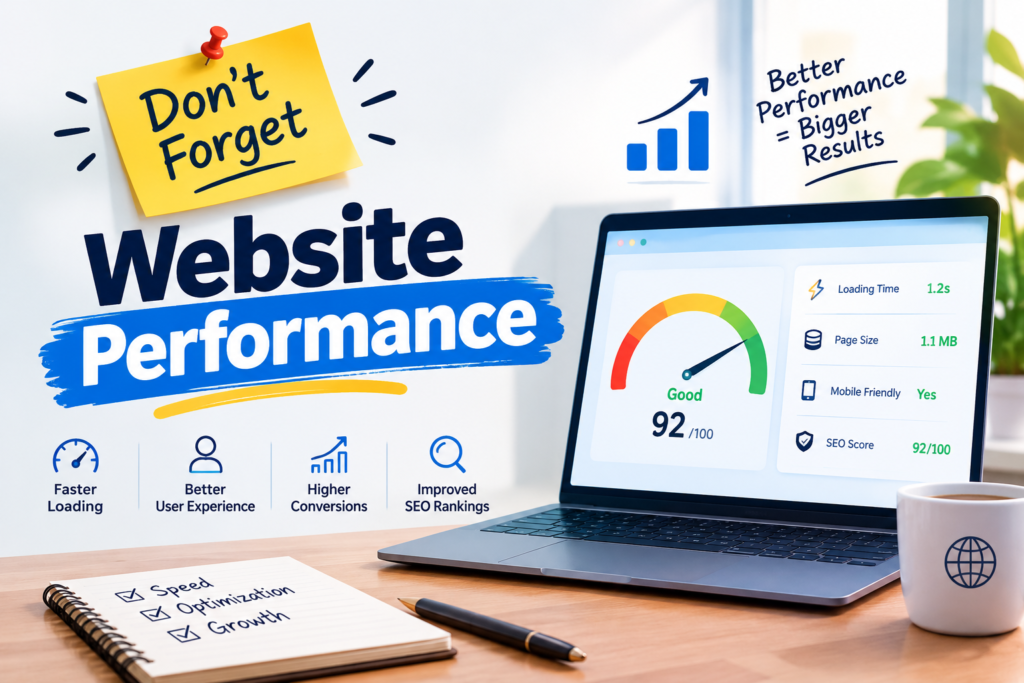
You can review areas such as:
- Image optimization
- Unnecessary plugins
- Page structure
- Mobile performance
- Caching
- Third-party scripts
The goal isn’t to remove everything that makes a website attractive. It’s to make sure visual design supports the website’s purpose instead of slowing it down.
6. Create Content That Answers Real Questions
SEO brings people to your website, but useful content gives them a reason to stay.
Start by identifying the questions, problems, and concerns your audience has.
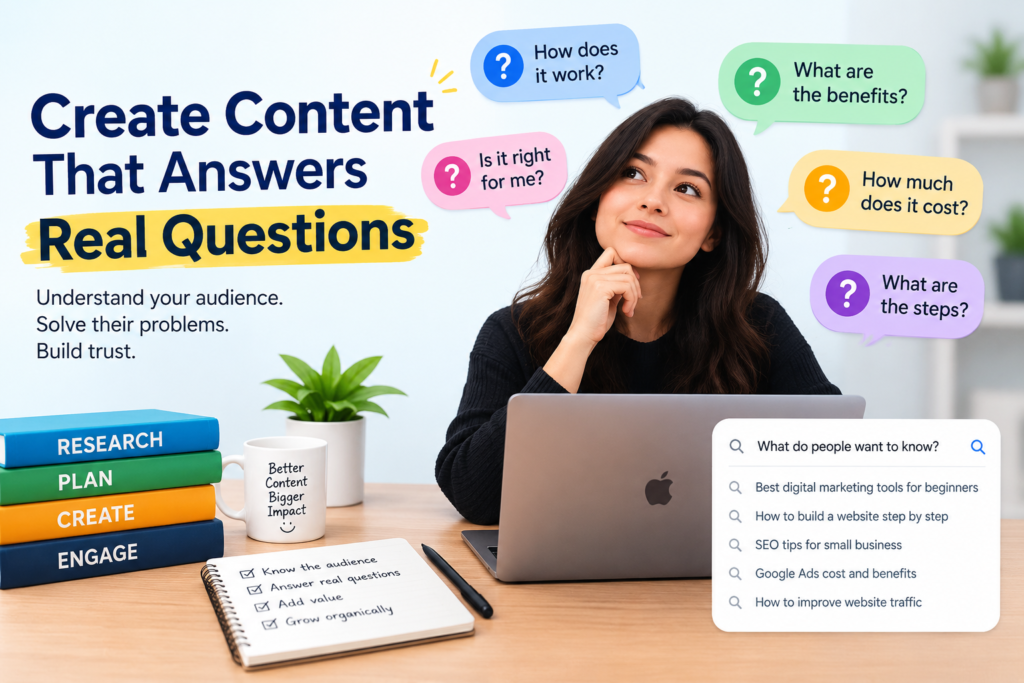
For example, a digital marketing website could create content around:
- How SEO works
- How to improve organic traffic
- How to create an SEO-friendly landing page
- Common website design mistakes
- How keyword research works
- How businesses can improve their online visibility
Each article should have a clear purpose.
Avoid creating blog posts simply because you want more pages indexed. Focus on answering a specific question thoroughly and making the information easy to understand.
7. Design Pages Around Conversions
Getting organic traffic is only part of the process.
If visitors arrive on your website and don’t know what to do next, that traffic may not produce meaningful business results.

Every important page should have a logical next step.
Depending on the business, that could be:
- Request a consultation
- Contact the company
- Submit an inquiry
- Download a resource
- Book a call
- Purchase a product
Your call-to-action should be visible without becoming intrusive.
For example, a service page can explain the problem, present the solution, demonstrate expertise, answer common questions, and then guide the visitor toward contacting the business.
That’s where SEO and conversion-focused web design become particularly powerful together.
8. Monitor, Test, and Improve
Launching a website isn’t the end of the process.
SEO and website performance should be reviewed regularly. Look at which pages attract organic visitors, which queries bring traffic, where users engage, and where improvements may be needed.
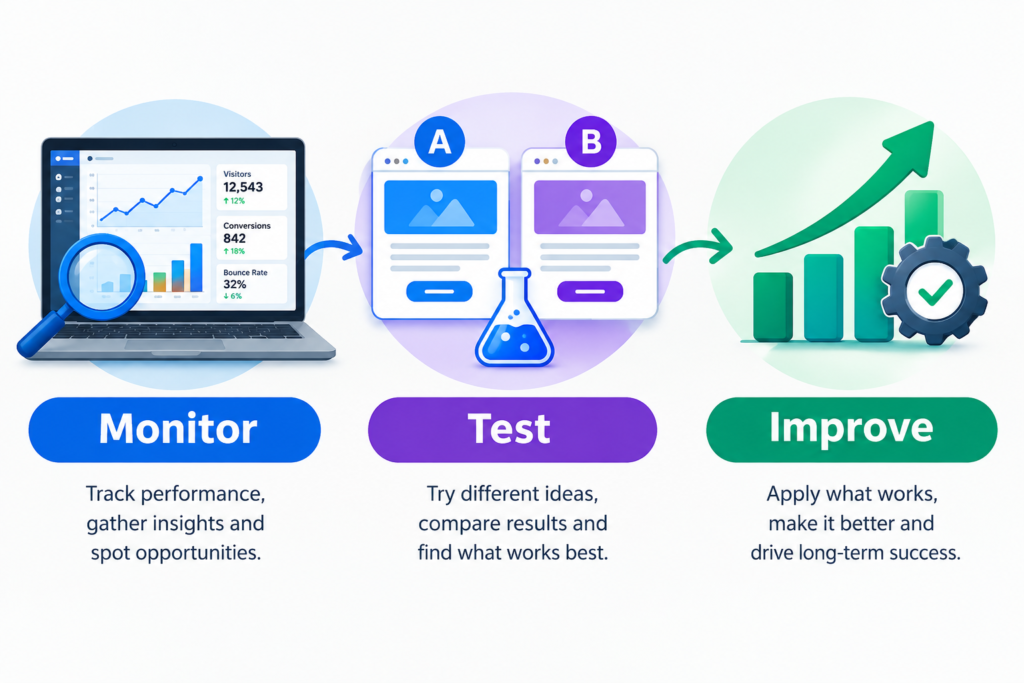
You can then make informed changes to:
- Content
- Internal linking
- Page structure
- Calls to action
- Landing pages
- Technical elements
- User experience
My approach to web projects is to treat the website as an ongoing marketing asset rather than a one-time design project. Practical work with WordPress, Elementor, SEO research, landing pages, UX, and digital marketing can help identify opportunities that aren’t always obvious during the initial design stage.
Website Design and SEO: The Bigger Picture
A website that ranks well but doesn’t convert isn’t doing its complete job.
Likewise, a visually impressive website with little organic visibility may struggle to attract new visitors.
The strongest approach combines both.
Think of it as a connected process:
Keyword Research → Website Structure → SEO-Friendly Design → Helpful Content → Organic Search → User Experience → Conversion → Continuous Improvement
When these elements support each other, your website has a stronger foundation for long-term organic growth.
Conclusion
Building a website that ranks and converts requires more than choosing an attractive template or adding keywords to your pages.
You need a website structure that makes sense, content that answers genuine questions, pages optimized for search, a smooth user experience, strong technical foundations, and clear conversion paths.
The key is to consider website design and SEO together from the beginning.
When your website is designed for both people and search engines, every element—from navigation and content to landing pages and calls to action—can contribute to a more effective digital marketing strategy.
FAQ
What is the relationship between website design and SEO?
Website design affects factors such as navigation, mobile usability, content structure, and user experience. SEO helps search engines understand and discover the website. Combining both can create a website that is easier to use and easier to find through organic search.
Can a well-designed website rank without SEO?
It can, but attractive design alone doesn’t guarantee strong organic visibility. Search engine optimization helps ensure that your content, structure, and technical elements are properly optimized for search.
How does keyword research help website design?
Keyword research can help determine which pages you need, what topics to cover, and how to organize your content. This allows the website structure to reflect what your target audience is actually searching for.
How can I increase organic traffic to my website?
Start with relevant keyword research, create useful content, improve on-page SEO, build a logical website structure, optimize technical performance, and continuously monitor and improve your pages.
Should SEO be done before or after website design?
Ideally, SEO considerations should be included before and during website design. Planning keywords, page structure, URLs, content, and user journeys early can prevent expensive redesigns and optimization work later.
Does website speed matter for SEO?
Website performance matters because it can affect the experience users have on your site. A technically efficient website can provide a smoother experience, particularly for visitors using mobile devices or slower connections